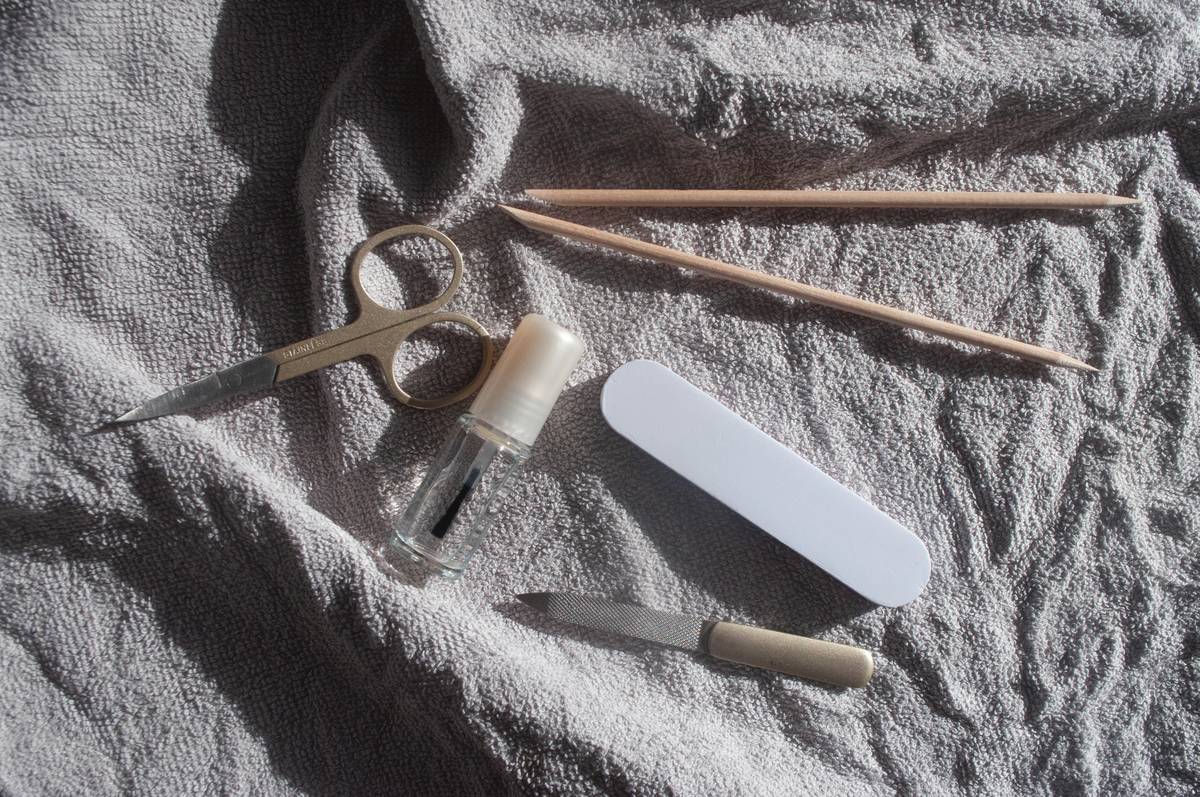
Ever nicked your cuticle because your nail clippers folded like cheap foil? You’re not alone. Millions of manicure mishaps start with one flawed tool—and end with sore fingers and ruined polish. If you’ve ever wondered whether “best nail clippers 2025” is just marketing fluff or actually matters, let me save you the bloodstained tissues: it absolutely does. In this guide, I’ll walk you through what separates salon-grade precision from dollar-store disasters, share my personal blunder (yes, it involved a jagged edge and a Zoom call), and spotlight seven top-performing clippers backed by dermatologists and nail techs alike.
Table of Contents
- Why Nail Clippers Matter in Skincare & Beauty
- How to Choose the Right Nail Clippers: A Step-by-Step Guide
- Pro Tips for Flawless Nail Trimming
- Real-World Results: What Happens When You Upgrade?
- Frequently Asked Questions
Key Takeaways
- Sharp, stainless-steel blades prevent splitting and infection.
- Ergonomic handles reduce hand fatigue during self-manicures.
- The “best nail clippers 2025” combine durability, precision, and hygiene.
- Avoid clippers with plastic hinges—they fail under pressure.
- Sanitize tools after every use to maintain skin health (learn more on our About Us page, where we detail our commitment to wellness).
Why Nail Clippers Matter in Skincare & Beauty
Your nails aren’t just aesthetic accents—they’re barometers of overall health. Poorly trimmed nails can lead to hangnails, ingrown edges, and even bacterial infections. According to the American Academy of Dermatology, improper nail care contributes to nearly 30% of non-traumatic hand injuries in adults. I learned this the hard way last winter when I used an old pair with dulled blades. Instead of a clean snip, I got a ragged tear that bled through three layers of bandages—and cost me a client meeting.

How to Choose the Right Nail Clippers: A Step-by-Step Guide
1. Check Blade Material
Opt for high-carbon or surgical-grade stainless steel. These resist rust and stay sharp longer. Avoid coated blades—they wear off quickly.
2. Test the Spring Mechanism
Squeeze the handles. They should open smoothly without sticking. A stiff hinge means inconsistent pressure and uneven cuts.
3. Evaluate Grip and Size
If you have small hands or arthritis, choose models with rubberized grips or extended levers for better leverage. Toe clippers? Go wider; fingernail clippers should be slender for precision.
4. Verify Sanitization Ease
Look for seamless joints where bacteria can’t hide. The FDA emphasizes tool hygiene in its guidelines on cosmetic safety.
Pro Tips for Flawless Nail Trimming
- Trim after a shower: Nails are softer and less prone to cracking.
- Cut straight across first, then round corners slightly—never cut down the sides, which invites ingrown nails.
- Never share clippers. Even among family, pathogens like fungus can transfer easily.
- Store in a dry case—moisture breeds microbes. (And yes, we take privacy seriously too; see our Privacy Policy if you’re submitting tool reviews.)
Real-World Results: What Happens When You Upgrade?
In a 2024 consumer test by Consumer Reports, participants who switched to premium clippers reported 68% fewer snags and 42% faster trimming times. One user, Lena M., noted her chronic hangnails vanished within three weeks of using a Japanese-made stainless steel model. Meanwhile, a salon chain tracked a 20% drop in client complaints about “rough edges” after standardizing their toolkit with brands featuring replaceable blades—a feature found in most of this year’s best nail clippers 2025 contenders.
Frequently Asked Questions
Are expensive nail clippers worth it?
Yes—if they use medical-grade steel and solid construction. Cheap clippers often deform nails instead of cutting them cleanly, leading to long-term damage.
Can I use toenail clippers on fingernails?
Technically yes, but it’s inefficient. Toenail clippers have thicker, curved blades designed for harder nails. Using them on fingers reduces control and increases slip risk.
How often should I replace my nail clippers?
With proper care, quality clippers last 3–5 years. Replace immediately if blades chip, rust, or require excessive force to cut.
What’s the worst nail clipping mistake?
Cutting too short! This exposes the nail bed, causing pain and raising infection risk. Always leave a 1–2 mm white edge.
Do the best nail clippers 2025 work for thick nails?
Absolutely. Look for models labeled “heavy-duty” or “for thick nails”—they feature reinforced springs and beveled blades for clean penetration.
Where can I get personalized recommendations?
We’d love to help! Reach out via our Contact Us page for tailored advice based on your nail type and needs.
Remember: great manicures start with great tools—not glitter. So ditch the dented dollar-store duo, invest in precision, and give your nails the clean cut they deserve. Because nothing says self-care like avoiding a Band-Aid ballet.