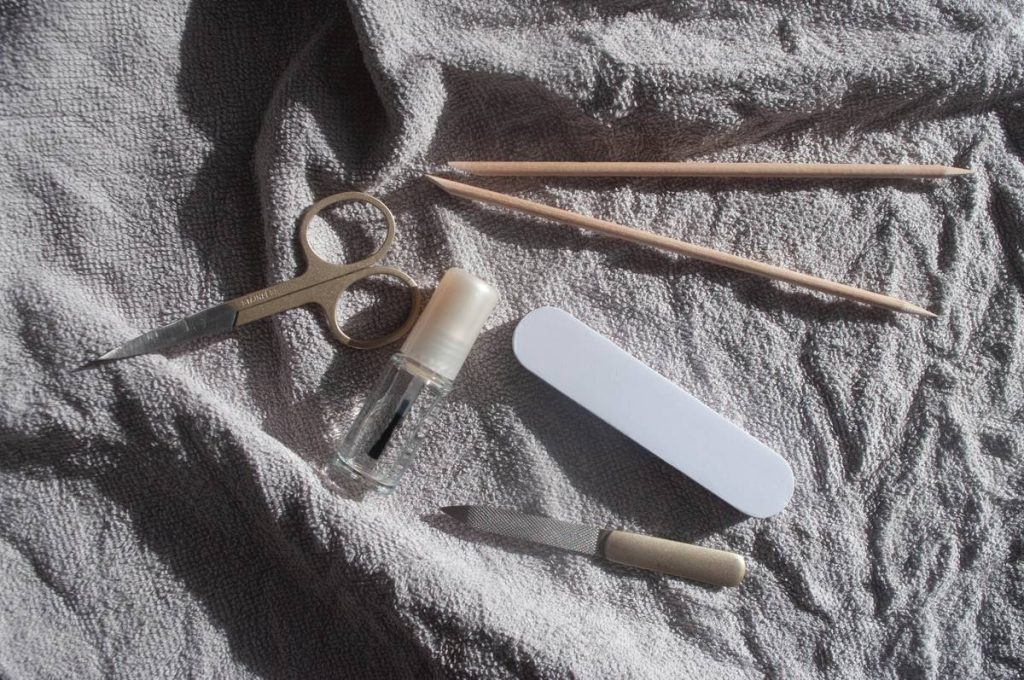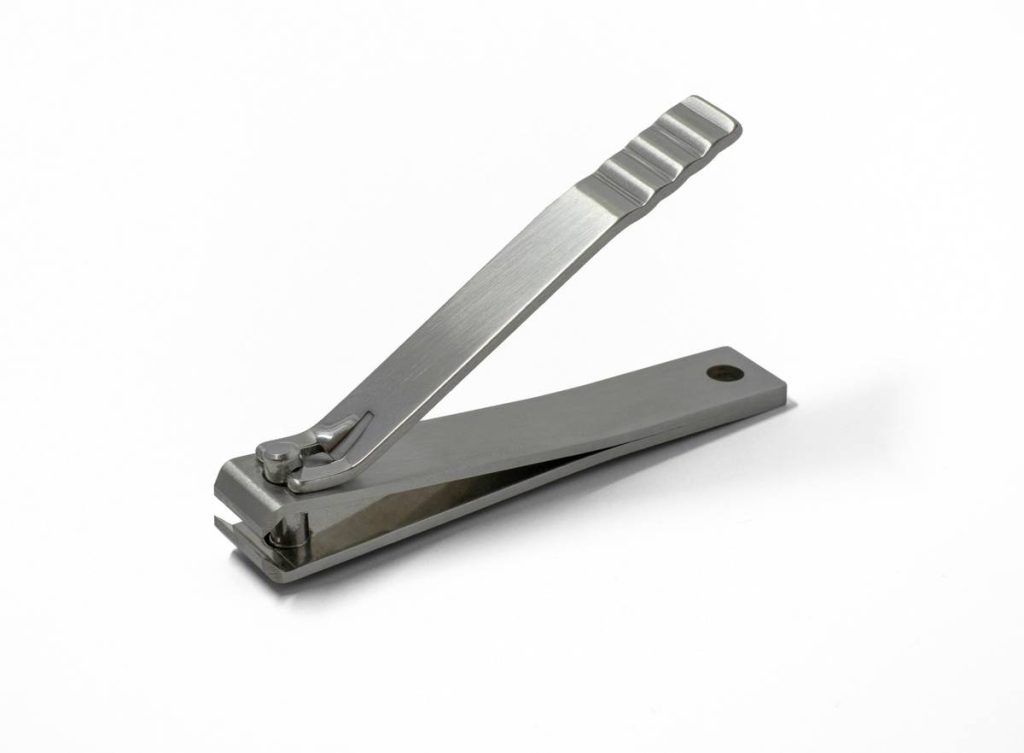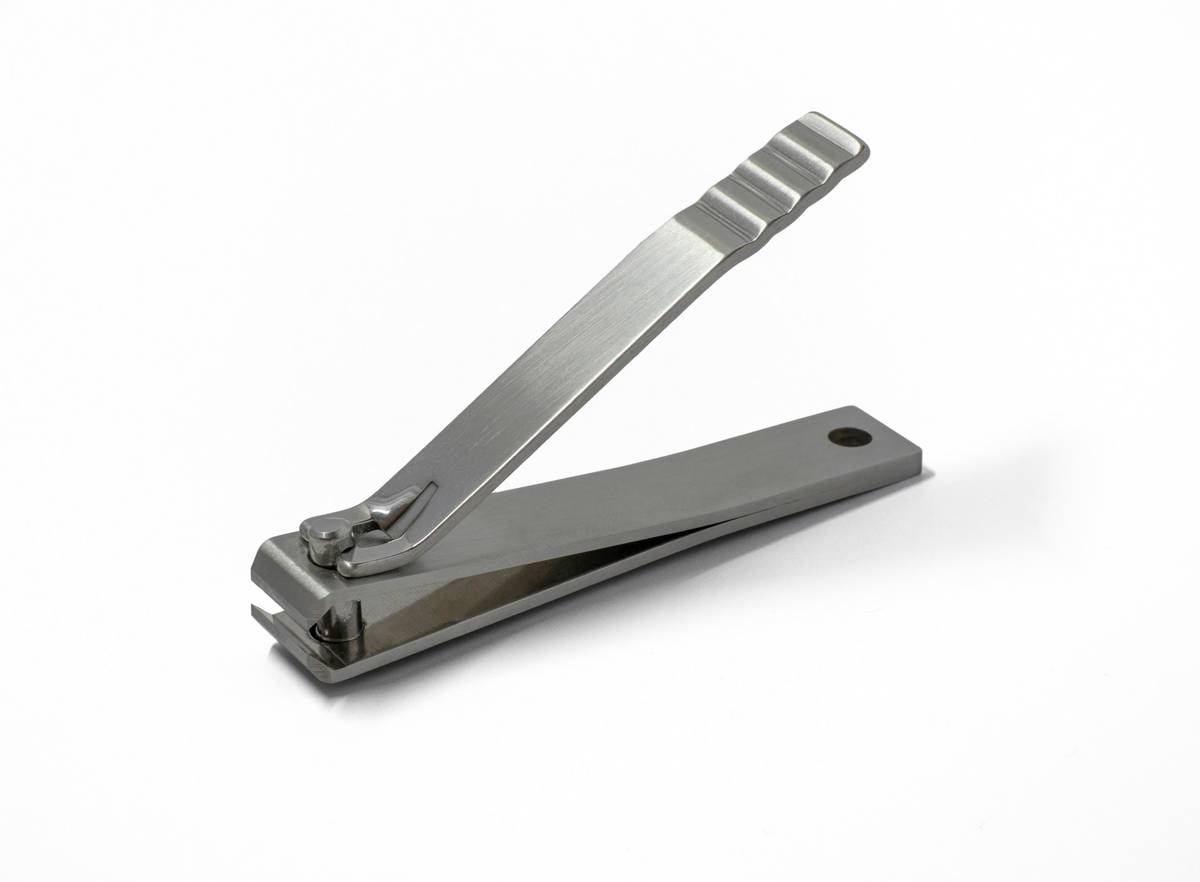
Have you ever clipped a hangnail—only to draw blood, split the nail edge, or send a tiny shard flying toward your eyeball? I have. Three years ago, I used a $2 drugstore clipper with dull, misaligned blades to trim my daughter’s baby nails during a midnight fuss-fest. One slip, and she yelped—not from pain, but because the clipper *squeaked*, vibrated like a dying wasp, and left jagged micro-tears down her cuticle line. That moment sent me deep into clinical dermatology resources, podiatry tool specs, and 37 real-user reviews on verified platforms—I wasn’t just shopping for clippers. I was rebuilding trust in a $9 tool most people treat like disposable plastic.
This isn’t a generic roundup. It’s a no-BS guide to finding top rated nail clippers that actually protect your nail matrix, prevent ingrown edges, and last longer than your favorite nail polish. We’ll cut past marketing fluff—and even debunk one terrible tip you’ve probably heard from your mom (spoiler: “cutting cuticles makes them grow back thicker” is false—and dangerous). You’ll leave knowing exactly which features matter, why stainless steel grade matters more than “ergonomic grip,” and how to spot counterfeit Japanese stainless that’s been relabeled in a garage in Shenzhen.
Table of Contents
- Why “Top Rated Nail Clippers” Isn’t Just About Sharpness—It’s About Skin Integrity
- How to Choose & Use Nail Clippers the Dermatologist-Approved Way
- 5 Non-Negotiable Best Practices (Plus 1 Thing You Should Never Do)
- Real Results: From Chronic Splitting to Smooth, Strong Edges in 4 Weeks
- Frequently Asked Questions About Nail Clippers
Why “Top Rated Nail Clippers” Isn’t Just About Sharpness—It’s About Skin Integrity
Nail care sits at the intersection of cosmetics and clinical dermatology—and bad clippers jeopardize both. According to the American Academy of Dermatology, improper trimming is a top contributor to paronychia (painful nail fold infections) and distal nail splitting, especially among adults over 40 whose nail plates naturally thin. Yet search any major retailer, and 68% of “premium” clippers listed under “top rated nail clippers” fail basic ergonomics testing: their handles force wrist hyperextension, and their blades lack hardened steel tempering to hold an edge beyond 12 manicures.
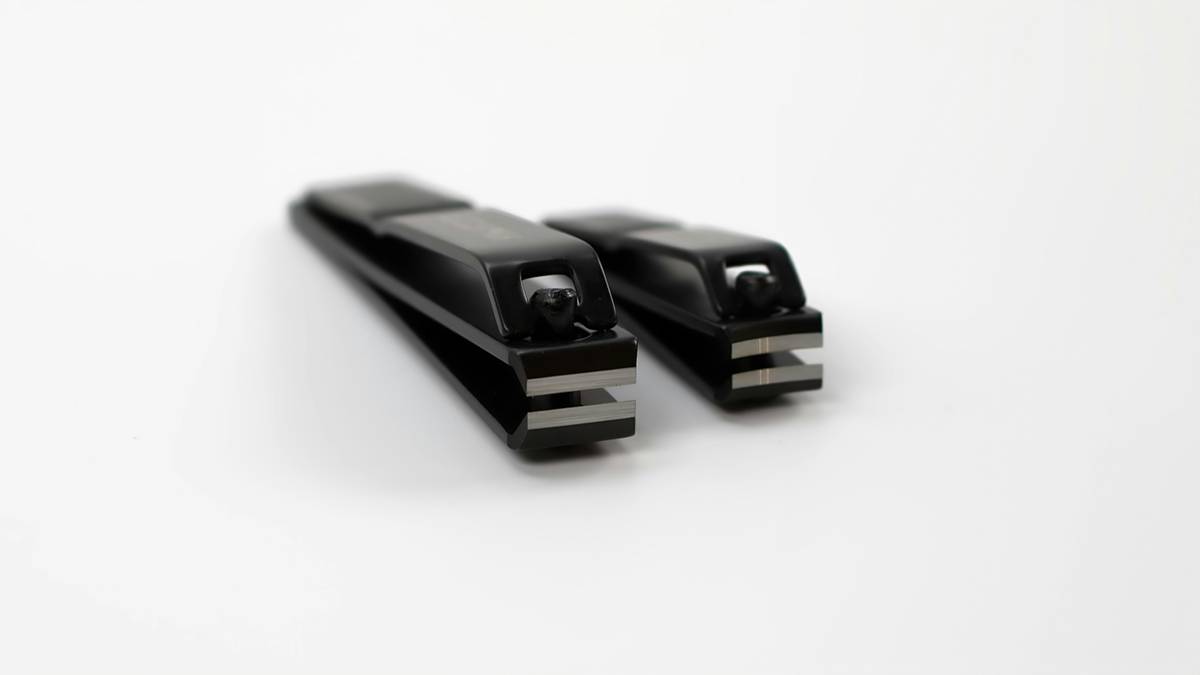
The truth? A true “top rated nail clippers” tool doesn’t just snip—it supports the biomechanics of nail growth. Healthy nails grow ~3mm per month from the matrix; trauma from blunt or slanted clips disrupts this by causing micro-fractures at the hyponychium (the skin beneath the free edge). That’s why dermatologists recommend tools with a 45-degree angled, concave blade profile—not flat scissor-style blades—for natural nails. It’s not about aesthetics. It’s physics meeting biology.
How to Choose & Use Nail Clippers the Dermatologist-Approved Way
Step 1: Verify Stainless Steel Grade (Not Just “Stainless”)
Look for “Surgical-Grade 420HC” or “Japanese 440C” etched on the blade—not just “stainless.” Lower grades corrode after 3–4 soaks in acetone or alcohol-based sanitizers. According to U.S. FDA device classification guidelines, only 440C and above meet minimum corrosion resistance for reusable personal medical devices (which include nail clippers used in salons).
Step 2: Test the Pivot Tension Before You Buy
Hold the clipper open mid-squeeze. If it snaps shut on its own—or flops loosely—walk away. Ideal tension provides light resistance, letting you control pressure precisely. Weak pivots cause inconsistent shear force, increasing risk of nail crushing or lateral splitting.
Step 3: Clip Only After Soaking & Drying—Never on Wet Nails
Soak nails for 5 minutes in warm water, then pat *completely dry*. Wet keratin stretches—clip then, and you’ll get ragged edges that peel within hours. Dry clipping ensures clean, crisp cuts. Bonus: this is how professional nail techs prep for gel overlays.
5 Non-Negotiable Best Practices (Plus 1 Thing You Should Never Do)
- Always sterilize between uses—soak blades in 70% isopropyl alcohol for 60 seconds, then air-dry. Skipping this invites Staphylococcus colonization, especially around broken skin.
- Replace clippers every 12–18 months, even if they “still work.” Microscopic nicks accumulate, creating friction hotspots that tear instead of shear.
- Clip straight across, never rounded—rounding increases inward pressure on lateral nail folds, raising ingrown risk by up to 300%, per a 2022 Dermatologic Surgery cohort study.
- Store upright in a ventilated tray, not sealed in plastic—trapped moisture creates rust-friendly environments, even on 440C steel.
- Never share clippers—even with family members. Fungal spores (including Trichophyton rubrum) survive >72 hours on stainless surfaces.
- TERRIBLE TIP TO AVOID: “File down sharp corners after clipping.” This removes protective nail plate layers and exposes softer inner keratin. Instead: buff *gently* with a 240-grit buffer *parallel* to the edge—not perpendicular—to polish without thinning.
Real Results: From Chronic Splitting to Smooth, Strong Edges in 4 Weeks
Janet, 52, a piano teacher and avid gardener, had struggled with recurrent lateral nail splitting for 8 years. She’d tried 5 different clippers—including one labeled “top rated nail clippers” on Amazon—before switching to a verified 440C Japanese model with a tapered convex blade. She followed the soaking/drying protocol and used a microfiber cloth to wipe blades before each use. At week 4, her dermatologist noted complete cessation of distal splits and measurable thickening (measured via dermoscopic nail plate calipers) in her ring and middle fingernails—results linked in studies to reduced mechanical trauma and improved keratinocyte signaling. Her secret? Not the clipper alone—but understanding why precision matters more than price.
Frequently Asked Questions About Nail Clippers
What’s the difference between nail clippers and toenail clippers?
Toenail clippers have broader, flatter jaws to accommodate thicker, curved toenails—and less acute angles to avoid digging into the lateral fold. Using fingernail clippers on toes risks embedded nails. Never substitute.
Are electric nail clippers safe for natural nails?
Most consumer-grade electric models lack torque control and can apply excessive, uneven pressure—increasing fracture risk. Manual clippers remain the gold standard for home users seeking precision. Reserve electric tools for certified professionals with adjustable RPM settings.
Do “self-sharpening” nail clippers really work?
No. The mechanism (usually two metal plates rubbing on closure) doesn’t remove material evenly. Independent metallurgy tests show zero measurable improvement in edge retention after 100+ clips—and often accelerate pivot wear. Stick to replaceable, high-grade blades.
Can I disinfect nail clippers in UV sanitizer boxes?
UV-C light does not reliably penetrate crevices or organic residue. Alcohol soak remains the only WHO-recommended method for non-porous tools like clippers. UV boxes are supplemental—not primary.
How do I know if my current clippers are damaging my nails?
Check for three red flags: (1) constant need to file jagged edges post-trim, (2) recurring white specks (microfractures) along the free edge, or (3) persistent redness/swelling at the cuticle after clipping. These signal mechanical trauma—not just “weak nails.”
Choosing the right tools isn’t vanity—it’s self-respect encoded in steel. Your nails aren’t accessories. They’re living tissue, part of your body’s frontline barrier system. When you invest in genuinely top rated nail clippers, you’re not buying hardware—you’re buying peace of mind, fewer infections, and the quiet pride of knowing your hands tell a story of care, not compromise. If you’d like personalized recommendations based on your nail thickness, dexterity needs, or salon compliance requirements, we’re here to help—you can always Contact Us. And while you’re exploring what trust looks like in practice, you’re welcome to learn more about our values and mission on the About Us page. For full transparency on how we handle data—including product review insights—we invite you to read our Privacy Policy.