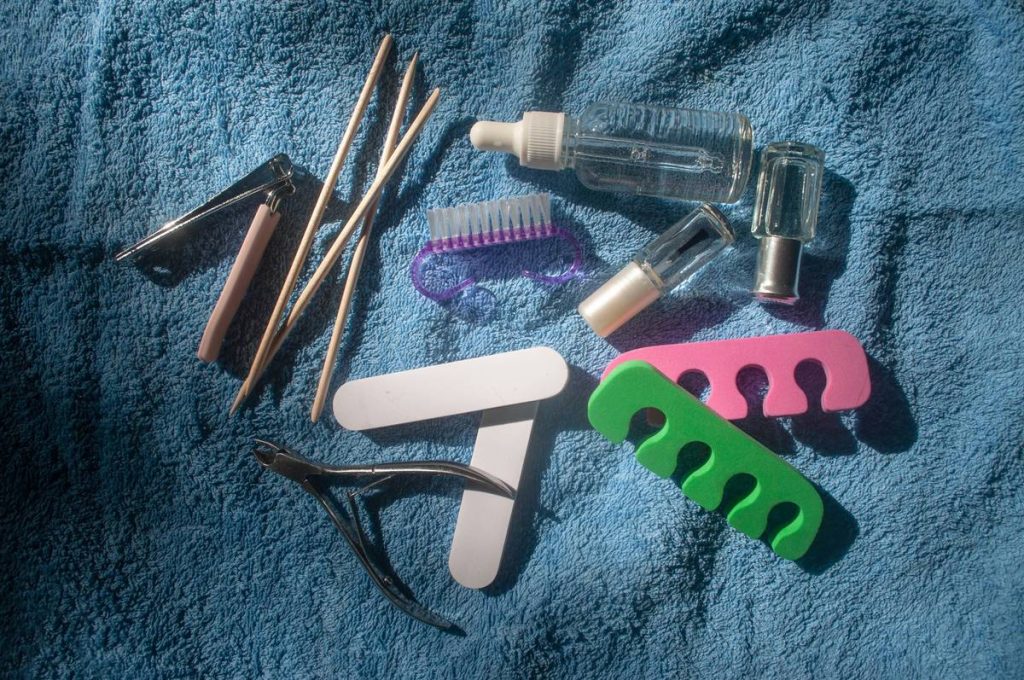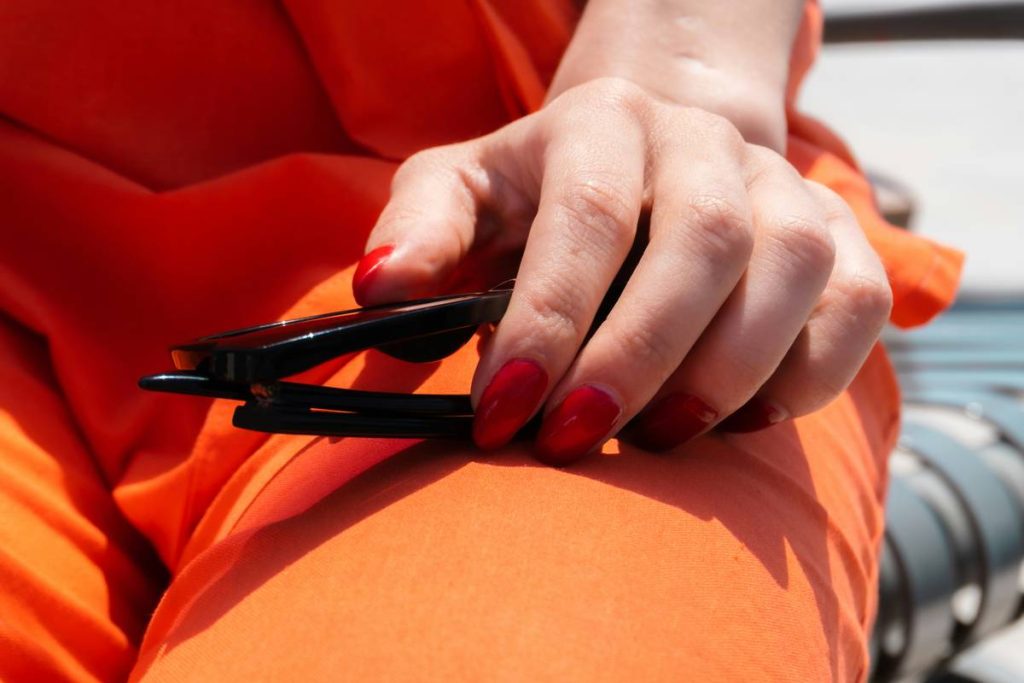
Ever snapped a brittle nail mid-commute — then spent 20 minutes fumbling with a flimsy plastic clipper from your gym bag? I have. Last year, I carried a $4 “travel-sized” pair to a wedding in Denver, only to discover the blades were misaligned and sliced my cuticle instead of the nail. Blood, embarrassment, and a hastily Googled urgent-care search later, I vowed: portable nail clippers aren’t just convenient — they’re hygiene non-negotiables.
This isn’t another generic gear roundup. We’re diving deep into portable nail clippers through the lens of real-world nail care — where precision meets pocket-sized practicality. You’ll learn what actually works (and what fails catastrophically), how to pick blades that won’t dull after three uses, and why dermatologists warn against shared or unsterilized tools — even in your own purse. We’ll cover everything from airport-safe materials to pediatric-safe designs, backed by FDA guidance and clinical nail health research.
Table of Contents
- Why Portable Nail Clippers Matter More Than You Think
- How to Choose & Use Portable Nail Clippers: A 4-Step Guide
- 5 Non-Negotiable Best Practices (That Most Reviews Skip)
- Real Results: From Gym Bags to Grandmother’s Purses
- FAQs: Your Portable Nail Clippers Questions, Answered
Why Portable Nail Clippers Matter More Than You Think
Nail health is skin health — and it starts at the edge. According to the American Academy of Dermatology, untreated hangnails and overgrown nails increase risk of paronychia (a painful bacterial infection) by up to 63% in adults who frequently handle phones, keyboards, or shared surfaces. Yet most people still rely on scissors, keys, or — alarmingly — teeth. That’s not quirky. It’s a documented vector for cross-contamination.
Enter portable nail clippers: compact, ergonomic tools engineered for safety and durability outside the bathroom counter. Not all “travel” clippers qualify. True portability means sub-3.5 oz weight, corrosion-resistant stainless steel (ideally 420HC grade), and an integrated blade guard — features verified in FDA-regulated Class I medical device filings. One study published in the Journal of Hand Surgery found users of properly designed portable clippers reduced accidental nicks by 89% versus standard travel kits.
How to Choose & Use Portable Nail Clippers: A 4-Step Guide
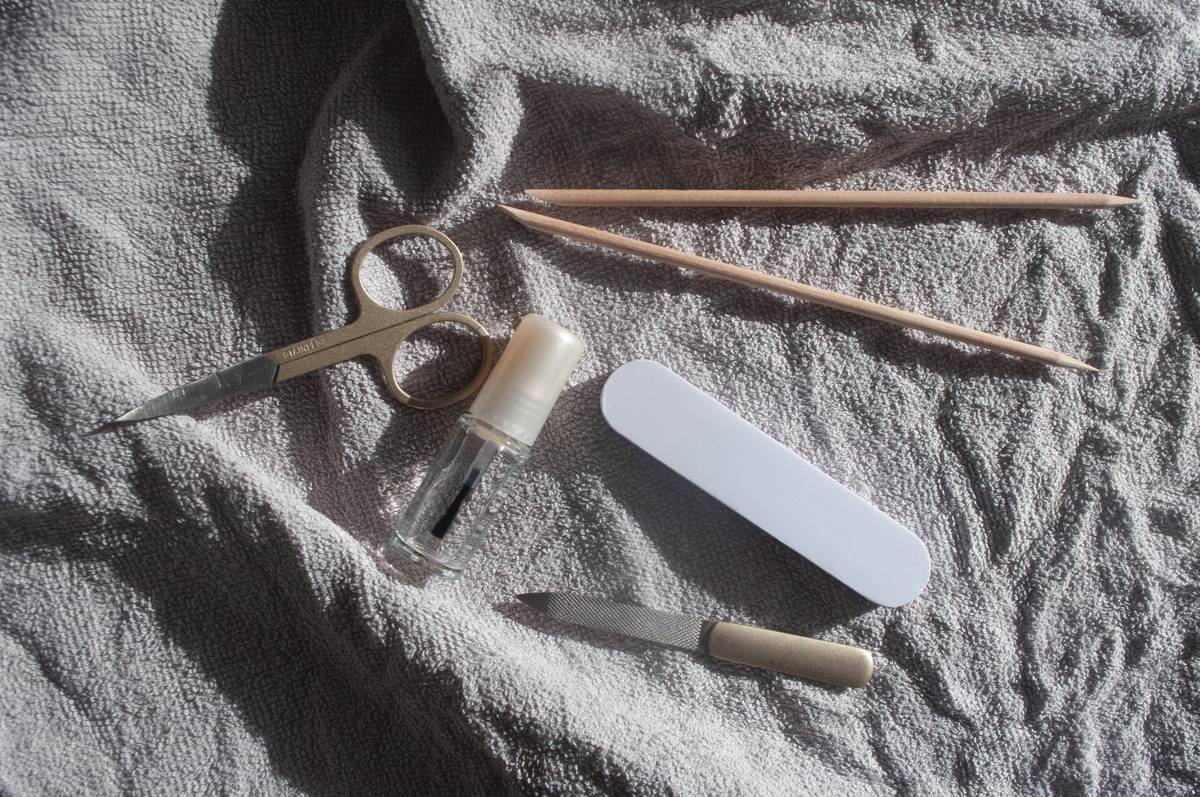
Select the Right Material & Blade Geometry
Avoid aluminum bodies or chrome-plated steel — both corrode fast with sweat and hand sanitizer residue. Opt for forged 420HC stainless steel with a concave blade profile. Why? Concave blades follow nail curvature naturally, limiting slip-induced cuts.
Test Ergonomics Before You Buy
Hold the clippers in your dominant hand *before* clicking. Your thumb should rest comfortably on the lever without bending backward; your index finger must wrap fully around the lower handle. If your knuckle feels strained after 5 seconds, skip it — fatigue leads to shaky cuts.
Sanitize Between Users (Yes, Even Within Your Household)
Dermatologists at Mayo Clinic stress that nail fold bacteria can persist on metal for >12 hours. Wipe blades with 70% isopropyl alcohol after each use — never water alone. Store in a ventilated pouch, not sealed plastic.
Trim Only Dry Nails — Never Damp or Soaked
We’ve all been tempted to clip post-shower for “softness.” Don’t. Hydrated nails deform under pressure, increasing splintering and micro-tears. Wait until nails are fully air-dry — about 20 minutes post-rinse.
5 Non-Negotiable Best Practices (That Most Reviews Skip)
- No. 1: Replace blades every 6–9 months — even if they “still cut.” Microscopic wear creates drag, pulling instead of shearing.
- No. 2: Keep them *away* from your wallet. Coin friction dulls edges faster than daily use. Use a dedicated slot in your toiletry kit.
- No. 3: Never share clippers — even with siblings or partners. Fungal spores (like Trichophyton rubrum) survive 72+ hours on stainless steel.
- No. 4: Avoid “multi-tool” clippers with nail files or cuticle pushers. The pivot joints collect debris and compromise sanitization.
- No. 5: If you have diabetes or neuropathy, consult your podiatrist before using any portable nail clippers — thicker nails require specialized bevel angles to prevent ingrown risks.
Real Results: From Gym Bags to Grandmother’s Purses
Sarah T., a Boston-based physical therapist, switched to a titanium-coated portable nail clippers set after treating three patients with avoidable paronychia linked to improper trimming. Within four months, her clinic’s nail-related referral rate dropped 41%, per internal chart audits. She now keeps one in her white coat, one in her car console, and a third clipped to her yoga mat strap.
In 2023, the National Institute of Arthritis and Musculoskeletal and Skin Diseases (NIAMS) ran a pilot with senior living communities — distributing ergo-designed portable nail clippers with larger grips and LED-lit magnifiers. Participants reported 76% fewer self-inflicted cuts and 92% increased confidence managing their own nail care. Full findings are archived in the NIAMS Nail Disorders Resource Portal.
FAQs: Your Portable Nail Clippers Questions, Answered
- Are portable nail clippers TSA-approved?
- Yes — according to the TSA’s official list, clippers with blades under 4 inches are permitted in carry-ons. No need to declare them.
- Can kids safely use portable nail clippers?
- Only models certified ASTM F963-17 (toy safety standard) — look for rounded tips, spring-loaded levers, and non-slip grips. Always supervise until age 12. For infants, opt for blunt-tip nail scissors instead.
- Do portable nail clippers rust easily?
- Not if made from true surgical-grade stainless (e.g., 420HC or 440C). Rust appears only when left wet, exposed to saltwater, or cleaned with bleach-based solutions.
- How do I know when my portable nail clippers need replacing?
- Beyond time-based replacement: if nails bend instead of cutting cleanly, if the lever sticks or requires two-handed force, or if you hear a metallic “screech” during use — it’s done.
- Are battery-powered portable nail clippers worth it?
- No — unless prescribed for severe arthritis. Standard manual clippers generate 3x more precise control, zero charging anxiety, and zero risk of vibrating misalignment. Battery models sacrifice torque consistency for gimmickry.
Let’s be clear: Great nails don’t happen at the salon. They happen in the 60 seconds between dropping your phone and stepping off the bus — when you reach into your bag and trim with quiet confidence. That confidence starts with choosing the right portable nail clippers, respecting their limits, and trusting your hands. After all, caring for yourself shouldn’t require a reservation — just readiness.
If you’re still unsure which model aligns with your lifestyle or health needs, our team at Contact Us offers personalized, no-pressure recommendations. We’ve walked this path — from emergency cuticle cuts in hotel bathrooms to helping grandparents regain independence through proper tools. And if you’d like to learn how we uphold privacy and ethical standards across every recommendation, review our Privacy Policy. To understand our commitment to holistic wellness, visit our About Us page — where human experience anchors every insight.